

The college football transfer portal allows athletes the open path to make decisions that will help determine their future. It allows players to redefine themselves at a new school and in a new environment. As they navigate this crucial period of their lives, they consciously must analyze how they are feeling and what steps they need to take to be where they want to be. The transfer portal is competitive, and it has significant weight on the outlook of the future for both the individual players and the teams involved.
In this article from The Athletic, Ari Wasserman explores the idea of the current state of the portal. The portal now allows players to transfer as many times as they want. Wasserman says rosters have so much unpredictability year after year because of the constant movement within the portal. This article made me think about the PR tactics on both the athlete’s side and the school’s side.

schools:
There are almost always headlines surrounding athletes transferring. The PR teams of the colleges must stay informed of this ever-evolving portal. “People are so much more interested in the future than the present,” said Wasserman. Not only are the players looking for the next big thing, but fans are interested in what their team will look like in the upcoming seasons. It is crucial the PR teams are on top of the current news to engage and inform their followers.
Schools will provide personalized recruitment for the player’s visits. There is a lot of effort that goes into making this a special and memorable visit for the highly wanted athlete. One of the things most players get to do is try on the school’s uniforms during these visits. This allows a custom experience for the player where they get to see how it would feel in those school colors. More often than not, the player in the portal will post their visits to their social media to show what schools they have been considering.



players:
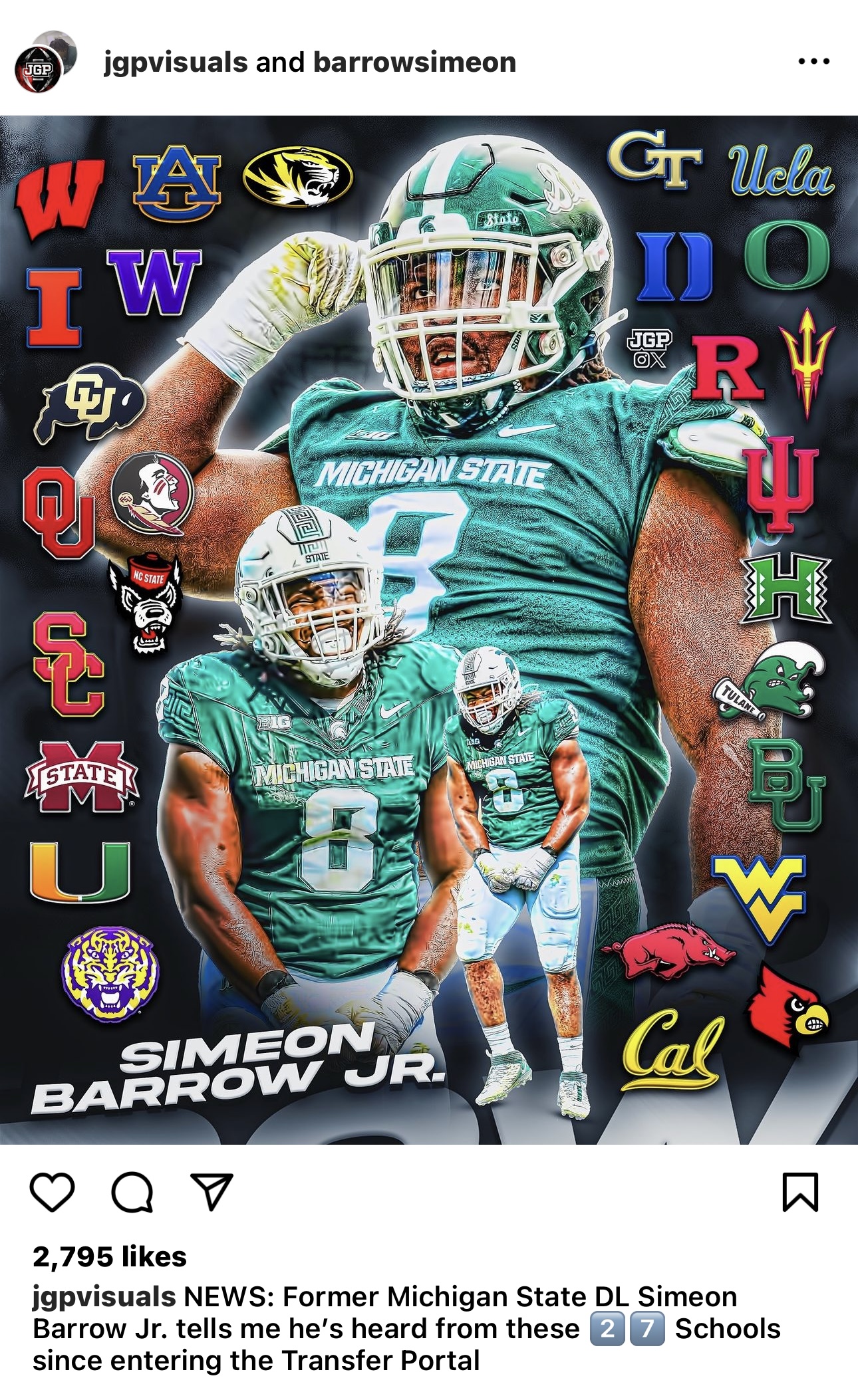
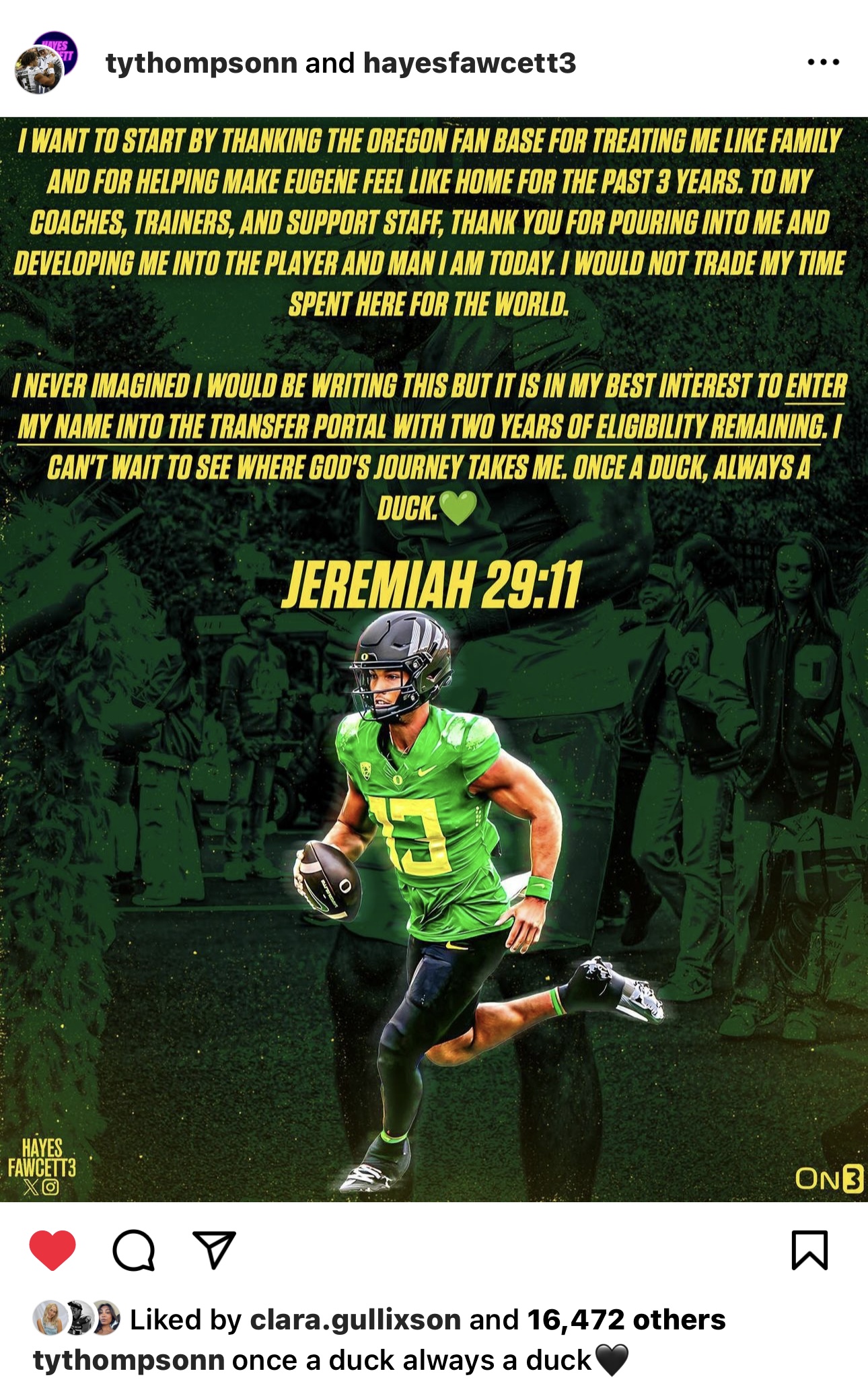
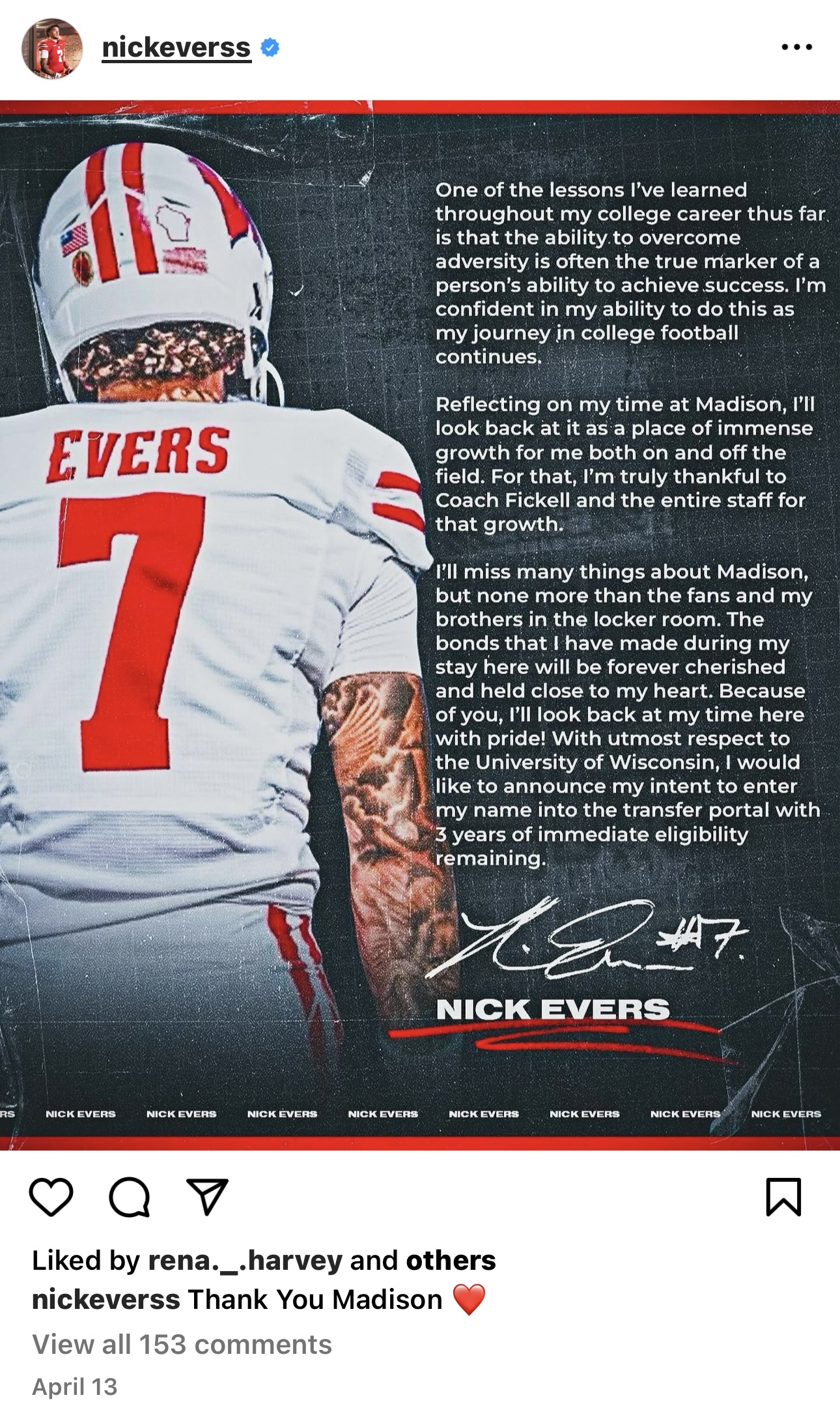
On the athlete’s side of the experience, they are managing the transparency and communication aspects with the media. It starts when players enter the portal, as they make it widely known by posting to social media. Through this, they are able to acknowledge their past school, but also focus on the future.
After making their announcement, players must keep it professional. They are very smart about what they are doing, saying and posting to maintain their image. At this point, they want to be noticed. They may create highlight reels or posts that could capture a recruiter’s attention. The chance is that they most likely have schools looking at them, so it is crucial that they are conscious of their day-to-day life.

As Wasserman points out, the portal is here to stay. It is strategically messy but keeps everyone on their toes. PR teams have a big role in engaging the transfers in the school they’re interested in. PR is initiated through the recruitment process but also carries the pre-perceived image of the school and team. The PR teams have a generous role in the help of bringing transfers over and making them want to commit. And on the other side of that, the athlete needs to be intentional with their PR management as all eyes are on them during this time. The schools want the athletes as much as the athlete wants the schools.
 Addie Peterson
Leave a comment